
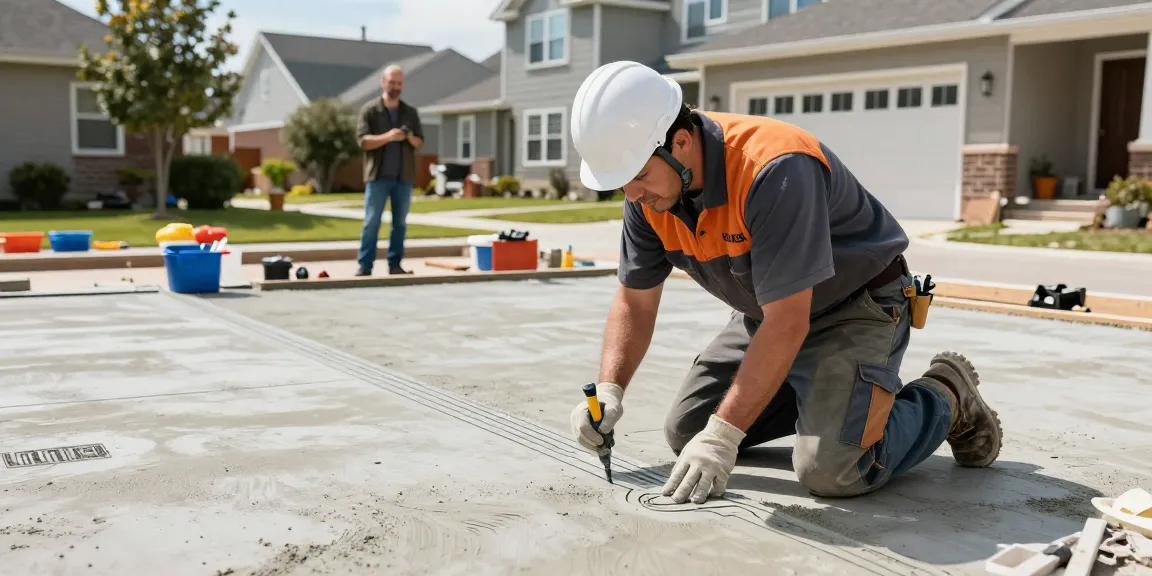
1. Understanding Stencils for Concrete: What You Need to Know
When it comes to enhancing concrete surfaces, the best way to achieve precision and creativity is through the use of quality stencils. These tools not only facilitate intricate designs but also ensure consistency across the surface being worked on. Whether you're a homeowner looking to beautify your patio or a contractor involved in larger projects, understanding the functionality of stencils is paramount. One reputable option that stands out in the market is the stencil for concrete, designed for ultimate efficiency and effect.
1.1 Key Features of Quality Stencils
Quality stencils should possess a variety of features that distinguish them in terms of performance and durability. Primarily, the material should be robust yet flexible, allowing molds to adapt seamlessly to various surfaces. Notably, stencils designed for concrete should be blast-resistant and should feature Anti-Shift Mesh™ technology. This ensures that the stencil adheres firmly, reducing the risk of design shift during the application process. Furthermore, a good stencil must have easy-to-see cutlines, facilitating precise cutting without obstructing the design integrity.
1.2 Benefits of Using Stencils in Concrete Projects
The use of stencils in concrete projects offers numerous benefits. One major advantage is the significant time savings during installation. With a stencil, there's no need to hand-paint or meticulously carve designs, drastically reducing labor costs. Additionally, stencils enable homeowners and contractors to experiment with diverse designs, patterns, and finishes, increasing the aesthetic appeal of concrete spaces. By using high-quality stencils, the lifespan of the artwork is extended, providing a lasting impression with minimal maintenance.
1.3 Common Uses: Where to Apply Stencils
Stencils are incredibly versatile and can be used in a variety of applications. Common uses include decorative features in residential patios, walkways, and driveways. They are also prevalent in commercial spaces like malls and restaurants, where stained or stamped concrete can enhance the overall ambiance. Industries such as signage and industrial blasting often rely on stencils for precision in creating durable and highly visible markings. With the right stencil, one can even transform outdoor spaces into artistic masterpieces.
2. Choosing the Right Local Provider for Concrete Stenciling
Finding a reliable local contractor for your concrete stenciling needs is crucial for ensuring high-quality work. A reputable contractor should be licensed, bonded, and insured, guaranteeing that they comply with local regulations. It’s advisable to seek providers who have a strong presence in your local community, as they are more likely to understand specific environmental conditions and design preferences unique to the area.
2.1 Questions to Ask Your Local Contractor
When evaluating potential contractors, consider asking specific questions that cover all bases. Inquire about their experience with stenciling projects, particularly those similar to yours. Additionally, ask for references from previous clients and examples of completed works. Understanding their process for surface preparation, stencil selection, and post-application care can provide deeper insight into their expertise.
2.2 Evaluating Experience and Expertise
Choosing a contractor with extensive experience in concrete stenciling is critical. Contractors who have been in the business for years are likely to have acquired the technical skill set necessary to tackle common challenges. They should be comfortable using various tools and techniques to achieve your desired outcome, ensuring that your project meets both functional and design requirements.
2.3 Importance of Local Knowledge in Stenciling
Local contractors bring a wealth of knowledge relevant to your specific location. They can provide insights based on the local weather conditions, which can impact the choice of materials and the stenciling process itself. Additionally, they are likely familiar with local zoning laws and building codes, which can prevent potential legal pitfalls during your project.
3. Pricing Guidelines for Concrete Stenciling Services
Pricing for concrete stenciling varies depending on a number of factors. Being informed about the typical costs can help you budget effectively and compare estimates from different contractors. Generally, costs are determined by the complexity of the design, the size of the area being stenciled, and the materials used.
3.1 Breakdown of Costs for Stencil Projects
The cost of stencil projects can generally be broken down as follows: materials (including the stencil itself, which can range from $0.50 to $3.00 per square foot), labor costs (typically around $2 to $5 per square foot), and any additional preparation or finishing work. For large areas or intricate designs, it's wise to get a comprehensive estimate from your contractor that includes all potential expenses.
3.2 Factors Affecting Stenciling Prices
Several factors can influence the final price of your stenciling project. These include the type of stencil used (e.g., reusable or single-use), surface preparation needs, and whether color staining or sealing is required after the stenciling process. Projects that require a high level of detail or intricate designs typically demand higher labor costs.
3.3 Budgeting for Your Concrete Stenciling Project
Budgeting for a concrete stenciling project should account for unexpected expenses. Having a contingency fund of 10-15% can be beneficial for covering any potential challenges that arise during the project, such as the need for additional surface preparation work. It's important to clearly define the scope of the project with your contractor to avoid misunderstandings regarding budget constraints.
4. Licensing and Insurance: Ensuring Quality Stenciling
Before hiring any contractor, it's vital to check their licensing and insurance status. This protects you from potential liability in the event of accidents or damage during the project. A licensed professional has met the necessary standards set by the state or local government, assuring you that they possess the requisite skills and knowledge.
4.1 Importance of Hiring a Licensed Professional
Hiring a licensed professional gives you peace of mind, knowing that they adhere to state regulations and safety protocols. Additionally, licensed contractors are typically more reliable and accountable, as they have demonstrated their commitment to professionalism through the licensing process.
4.2 What Insurance Coverage to Look For
When evaluating contractors, request proof of insurance coverage. Essential types of coverage include general liability insurance, which covers damages to your property, and workers' compensation, which protects you in case a worker is injured while on your property. Ensuring your contractor has adequate insurance will help safeguard your investment.
4.3 Verification Processes for Local Providers
To verify that a contractor is properly licensed and insured, you can request their license number and cross-reference it with your state’s licensing board. Additionally, ask them to provide their insurance documents upon request. This due diligence is crucial and can prevent future headaches regarding liability and project quality.
5. Customer Reviews and Testimonials: Building Trust in Local Services
Customer reviews and testimonials can provide invaluable insights into the quality of a contractor's work and their level of professionalism. With the increasing accessibility of digital platforms, gathering this information has never been easier, facilitating more informed decision making.
5.1 Finding Reliable Reviews for Stenciling Services
When seeking customer feedback, explore various online platforms such as Google Reviews, Yelp, and local service directories. It's advisable to read a range of reviews to get a balanced perspective on the contractor's work. Pay attention not only to positive feedback but also to how the contractor responds to negative reviews; this can shed light on their customer service approach.
5.2 How Testimonials Can Influence Your Choice
Testimonials act as social proof, influencing potential customers' decisions. If a contractor has numerous positive testimonials, particularly highlighting details relevant to your project, it can effectively boost their credibility. Seek out testimonials that describe the contractor's adherence to timelines, overall professionalism, and the quality of work produced.
5.3 Engaging with Your Local Community for Recommendations
Local recommendations remain one of the most effective ways to find reliable service providers. Engaging with community groups, whether on social media platforms or in local forums, can connect you with individuals who have firsthand experience with different contractors. Community referrals often yield trustworthy and accurate insights, helping you build confidence in your choices.
FAQs
What types of concrete surfaces are best for stenciling?
Concrete surfaces that are smooth and clean, such as newly poured concrete or well-maintained surfaces, are ideal for stenciling. Textured or uneven surfaces can complicate the stenciling process and may require additional preparation.
How long does the stenciling process take?
The duration of the stenciling process can vary based on project complexity. Generally, smaller projects may take a few hours, while larger or more intricate designs could take several days. It's best to discuss timelines with your contractor upfront.
Can I stencil over existing concrete?
Yes, existing concrete can be stenciled, provided it is in good condition. The surface should be thoroughly cleaned and prepped, possibly requiring patching or resurfacing to ensure the stencil adheres properly and the design remains clear.