
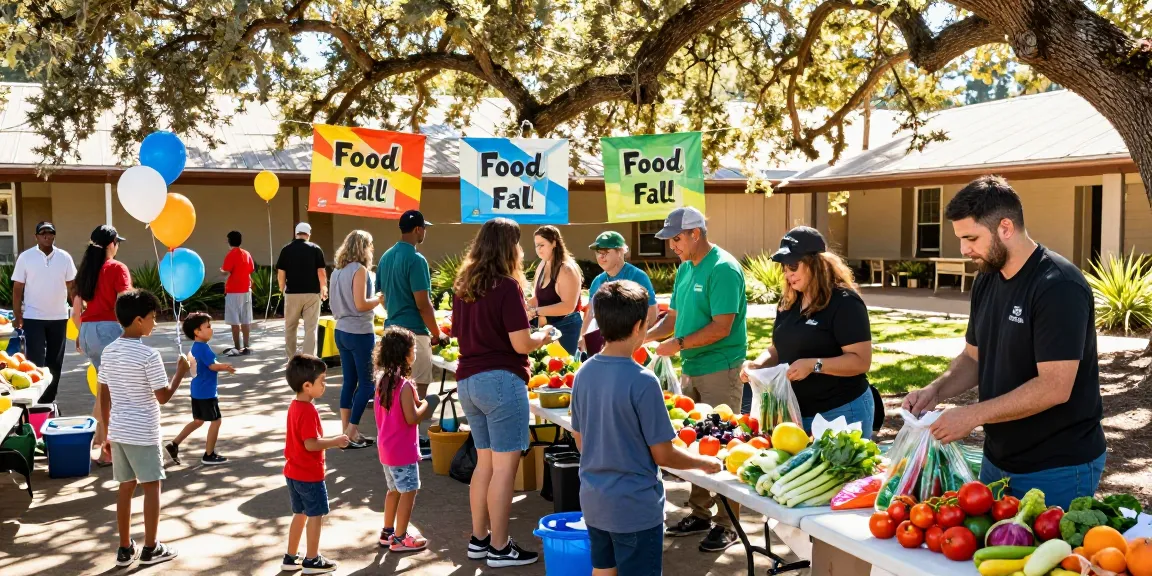
Understanding the Role of Community Halls in Food Distribution
Community halls, such as the Sonoma Springs Community Hall, play a pivotal role in fostering local engagement and addressing food insecurity. In areas like Sonoma Valley, these spaces serve not just as gathering points but as vital hubs for food distribution initiatives. They connect local farmers with families in need, creating a sustainable cycle of support that enhances community well-being. When exploring options, springshall.org provides comprehensive insights into the latest developments in community-driven food access.
The Importance of Local Food Cooperatives
Local food cooperatives have emerged as essential structures in promoting food sovereignty and sustainability. They allow communities to collectively purchase and distribute locally sourced produce, thereby reducing reliance on industrial food systems. These cooperatives not only provide access to fresh, organic food but also empower members to have a say in how their food is grown and distributed, fostering a sense of ownership and accountability. In Sonoma Valley, local food cooperatives are integral to supporting small-scale farmers and enhancing community health.
Challenges Facing Food Access in Sonoma Valley
Despite the efforts of community halls and cooperatives, several challenges persist in ensuring equitable food access in Sonoma Valley. High costs of organic produce, lack of transport options for marginalized communities, and insufficient educational resources about the benefits of eating local can create barriers to accessing nutritious food. Additionally, the impact of economic disparities and health crises can exacerbate these challenges, making it crucial for organizations to adapt and innovate continuously.
Success Stories from Sonoma Springs Hall Initiatives
Throughout its operating history, the Sonoma Springs Community Hall has initiated numerous successful programs aimed at alleviating food insecurity. The "Farmer's Friend" program, for instance, has made strides in connecting local farmers with at-risk populations, resulting in the distribution of thousands of pounds of fresh produce. Collaborative efforts with organizations like Sonoma Overnight Support have also been instrumental in providing hot meals and essential supplies to those in need.
Effective Strategies for Engaging the Community
Engaging the community effectively requires a multifaceted approach that involves building relationships, organizing events, and leveraging digital platforms. Community halls like Sonoma Springs serve as focal points where these strategies can intersect, driven by passionate volunteers and local leaders.
Building Relationships with Local Farmers and Producers
Cultivating strong partnerships with local farmers and producers is crucial for community halls pursuing food distribution initiatives. By fostering open communication and collaboration, community leaders can ensure a consistent supply of fresh produce that resonates with the nutritional needs of local families. Additionally, these relationships create a supportive network that can facilitate knowledge sharing about sustainable farming practices and crop selection.
Organizing Community Events and Workshops
Community events and workshops are powerful tools for educating residents about food availability and healthy eating practices. By organizing cooking classes, farm visits, and nutrition workshops, community halls can empower individuals to make informed choices about their diets. These initiatives not only enhance knowledge but also build community ties, as members come together to share experiences and resources.
Utilizing Social Media to Promote Engagement
In today’s digital age, social media platforms offer an invaluable opportunity for community halls to engage with a broader audience. By sharing updates about events, success stories, and educational content, organizations like Sonoma Springs can foster an inclusive atmosphere that encourages participation. Additionally, social media can facilitate feedback loops, helping organizers understand community needs better and adjust their programs accordingly.
Measuring Success: Key Performance Indicators
Measuring the success of food distribution programs is essential for continuous improvement and accountability. Community halls must establish clear key performance indicators (KPIs) that reflect their goals and objectives.
Tracking Volunteer Participation and Community Involvement
Volunteers are the backbone of community initiatives, and tracking their involvement is key to understanding program effectiveness. By maintaining records of volunteer hours, demographics, and engagement levels, community halls can identify trends and potential areas for improvement. This data can inform future outreach efforts and volunteer recruitment strategies.
Evaluating the Impact of Food Distribution Programs
The impact of food distribution efforts can be assessed through surveys and feedback mechanisms. By collecting data on participant satisfaction and changes in food security status, community halls can gauge the success of their initiatives. Additionally, qualitative stories from recipients can provide compelling evidence of the program's impact, helping to garner further support from stakeholders.
Monitoring Feedback and Community Response
Community feedback is invaluable for refining food distribution programs. Establishing regular channels for feedback, such as surveys and community meetings, allows organizations to stay attuned to the evolving needs of their populations. This responsiveness is crucial for maintaining trust and ensuring that programs remain relevant and effective.
Future Trends in Community Engagement and Food Accessibility
The landscape of community engagement and food access is continuously evolving, influenced by technological advancements and shifting societal values. Community halls must stay adaptable to these changes to sustain their impact.
Leveraging Technology for Improved Outreach
Technology is becoming increasingly essential in enhancing community outreach and engagement. Community halls can utilize tools like mobile applications, online registration systems, and virtual workshops to expand their reach and improve accessibility. By embracing technology, organizations can better connect with residents who may face barriers to in-person participation.
Projected Changes in Food Needs and Preferences
As society becomes more health-conscious, the preferences and needs surrounding food are likely to shift. Community halls must be proactive in understanding these trends to adapt their offerings accordingly. This may involve incorporating more plant-based options, accommodating dietary restrictions, and providing education on sustainable food practices.
Innovative Approaches to Sustainability in Food Distribution
As communities grapple with environmental concerns, innovative approaches to sustainability in food distribution are becoming more pertinent. Strategies such as zero-waste initiatives, bulk buying, and composting not only enhance sustainability but also reduce costs. Community halls play a crucial role in educating and promoting these practices within their networks.
FAQs About Community Engagement at Sonoma Springs Hall
How can I volunteer at Sonoma Springs Hall?
Volunteering at Sonoma Springs Hall is simple! Interested individuals can reach out via email to express their interest and learn about available opportunities. Whether it’s helping with food distributions or organizing events, there are various ways to contribute.
What types of events are held at springshall.org?
The Sonoma Springs Community Hall hosts a variety of events, including food distribution days, workshops, community meetings, and cultural celebrations. These events are designed to engage the community and promote collaboration.
How does the food cooperative model support local farmers?
The food cooperative model fosters direct relationships between consumers and producers, ensuring that local farmers receive fair compensation for their goods. By purchasing produce collectively, communities can also reduce costs and enhance access to fresh foods.
What initiatives are in place for food security in our community?
Community halls, like Sonoma Springs, implement several initiatives aimed at enhancing food security, including food distribution programs, partnerships with local farms, and educational workshops on nutrition and food preparation.
How can donations help improve local food access?
Donations play a vital role in sustaining food access initiatives by providing resources for purchasing food, supporting local farmers, and funding educational programs. Every contribution helps strengthen the local food system and improves community health.