
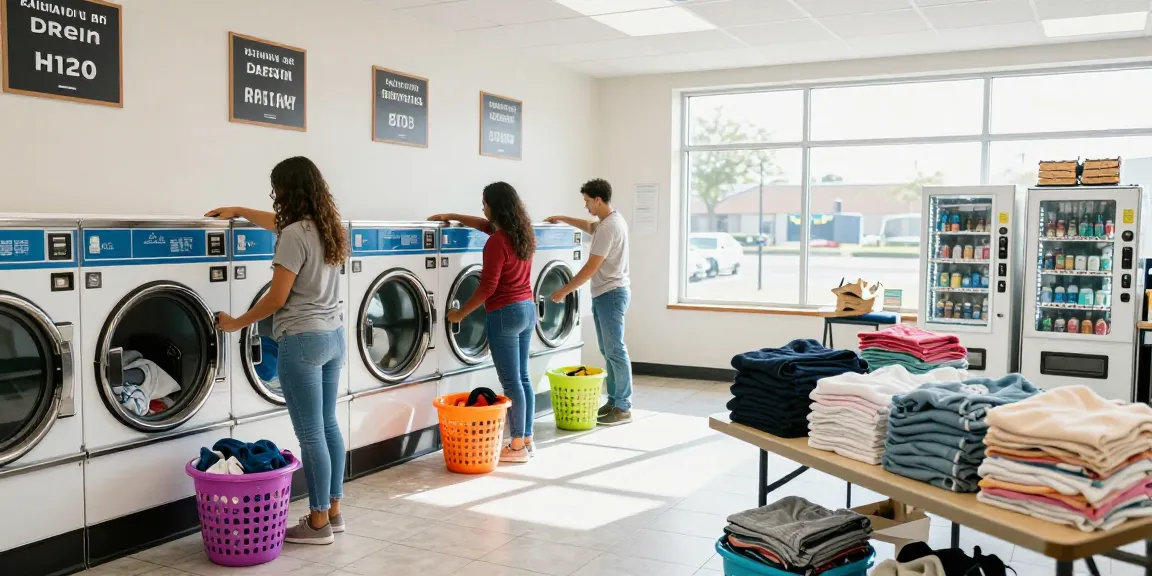
Understanding the Laundromat Business Model
The laundromat industry has long been a staple of community convenience and necessity. As urban areas expand and lifestyles become increasingly hectic, more individuals are seeking reliable service to manage their laundry needs. The question many potential business owners ask is, is a laundromat profitable? This article will delve into the intricacies of the laundromat business, offering insights into its profitability, key revenue streams, and essential factors that contribute to a successful operation.
What Makes a Laundromat Profitable?
A laundromat can be profitable for several reasons. The inherent demand for laundry services provides a steady stream of customers, especially in urban settings where space for washers and dryers is limited. Moreover, laundromats often operate with minimal staff, allowing for lower operational costs compared to other types of retail businesses.
Understanding location is critical; laundromats situated in densely populated areas with a high percentage of renters tend to perform better. Additionally, offering value-added services like wash-and-fold, dry cleaning, or vending machines can enhance profitability.
Key Revenue Streams in the Industry
- Self-Service Washing: The core revenue generator, where customers pay per load of laundry.
- Dry Cleaning Services: A lucrative ancillary service that attracts more customers seeking convenience.
- Wash-and-Fold Services: Increasingly popular among busy professionals and families.
- Vending Machine Sales: Offering detergents, fabric softeners, and snacks can provide additional income.
Each of these revenue streams can significantly contribute to the overall profitability of a laundromat, especially when leveraged effectively in conjunction.
Common Misconceptions About Laundromats
Many believe that laundromats are passive investments that require little oversight. In reality, successful laundromats require ongoing management and attention. Regular maintenance of machines, cleanliness, and customer service play vital roles in attracting and retaining clientele.
Another common myth is that laundromats only cater to low-income populations. While they do serve economically disadvantaged communities, laundromats also attract a diverse demographic including students, busy professionals, and families.
Market Analysis for Laundromat Ventures
Identifying Target Demographics
Understanding your target demographic is vital for tailoring services and marketing efforts. Typically, laundromats attract a mix of renters, students, and busy families. By analyzing local census data and conducting surveys, owners can better understand the needs and preferences of their clientele.
For example, a laundromat in an area with a high student population might benefit from extended hours and special promotions targeting students at the beginning of the academic year.
Assessing Local Market Demand
Before launching a laundromat, conducting thorough market research is essential. This includes assessing the number of competing laundromats, their pricing structures, and the geographic concentration of potential customers. A well-placed laundromat in an area with limited competition can quickly establish a loyal customer base.
Competitive Landscape Overview
The laundromat market varies significantly by location. In urban areas, competition can be fierce, while rural regions may present fewer options. Understanding the competitive landscape helps new laundromat owners identify gaps in services offered, helping to carve out a unique position in the market.
Additionally, as consumer preferences shift toward convenience and quality, laundromats offering modern amenities such as Wi-Fi, comfortable seating, and eco-friendly equipment may attract more customers.
Operational Strategies for Success
Choosing the Right Location
The location of a laundromat can make or break its success. High foot traffic areas, proximity to residential neighborhoods, and accessibility are all critical factors. Conducting a demographic study can help identify ideal locations, ensuring that the laundromat is situated where demand is highest.
Effective Pricing Strategies
Pricing is a crucial aspect of laundromat operations. Setting competitive yet profitable prices often involves analyzing the local market. Offering tiered pricing based on load size or time can attract a wider range of customers.
Special promotions, such as loyalty cards, discounts for bulk washes, or referral bonuses, can also enhance customer retention and revenue.
Maintenance and Equipment Management
Investing in high-quality, energy-efficient equipment is vital for minimizing operational costs and improving service speed. Regular maintenance checks are essential to avoid downtime and costly repairs.
Additionally, providing an easy-to-use payment system, such as a card system or mobile app, can streamline operations and enhance customer experience.
Marketing Your Laundromat Effectively
Leveraging Social Media for Engagement
Social media platforms like Instagram and Facebook are powerful tools for marketing a laundromat. Regularly posting engaging content, promotions, and customer testimonials can attract local customers. Implementing geo-targeted ads can help reach specific demographics effectively.
Traditional versus Digital Marketing Approaches
While social media is important, traditional marketing methods should not be overlooked. Flyers, local newspaper ads, and community sponsorships can also effectively promote a laundromat. Utilizing a mix of both strategies often yields the best results.
Building Customer Loyalty Programs
Instilling customer loyalty is crucial in a competitive market. Implementing a loyalty program that rewards frequent users can incentivize repeat business. Consider offering a free wash after a certain number of visits, or partnerships with local businesses to provide exclusive discounts for members.
Future Trends Affecting the Laundromat Industry
Technological Advancements to Watch
The advancements in technology are transforming the laundromat industry. Innovations such as app-enabled machines, online payment systems, and advanced energy-efficient models can enhance customer experiences and operational efficiencies. Businesses that invest in these technologies will likely gain an edge in the market.
Shifts in Consumer Behavior and Preferences
Consumer behavior is increasingly leaning towards convenience and sustainability. Laundromats that offer eco-friendly cleaning options and focus on efficient operations will appeal to environmentally conscious customers. Additionally, as people seek out convenient services, those who provide exceptional customer experiences will stand out.
Environmental Considerations and Sustainability Trends
As sustainability concerns rise, laundromats are increasingly expected to adopt environmentally friendly practices. This includes using energy-efficient machines, eco-friendly detergents, and water-saving technologies. Implementing sustainable practices not only appeals to consumers but can also reduce operational costs in the long term.
What Will 2026 Look Like for Laundromats?
By 2026, the laundromat industry is poised for significant transformation. With technological innovations and evolving consumer preferences, laundromats that adapt will thrive. Those who embrace sustainability and enhance customer experience through technology will likely lead the market.
Strategic Planning for Longevity in the Market
Long-term success in the laundromat industry requires strategic planning. Business owners should regularly assess market trends, consumer feedback, and evolving technologies. Flexibility and a willingness to adapt will be essential for maintaining relevance in a dynamic marketplace.