
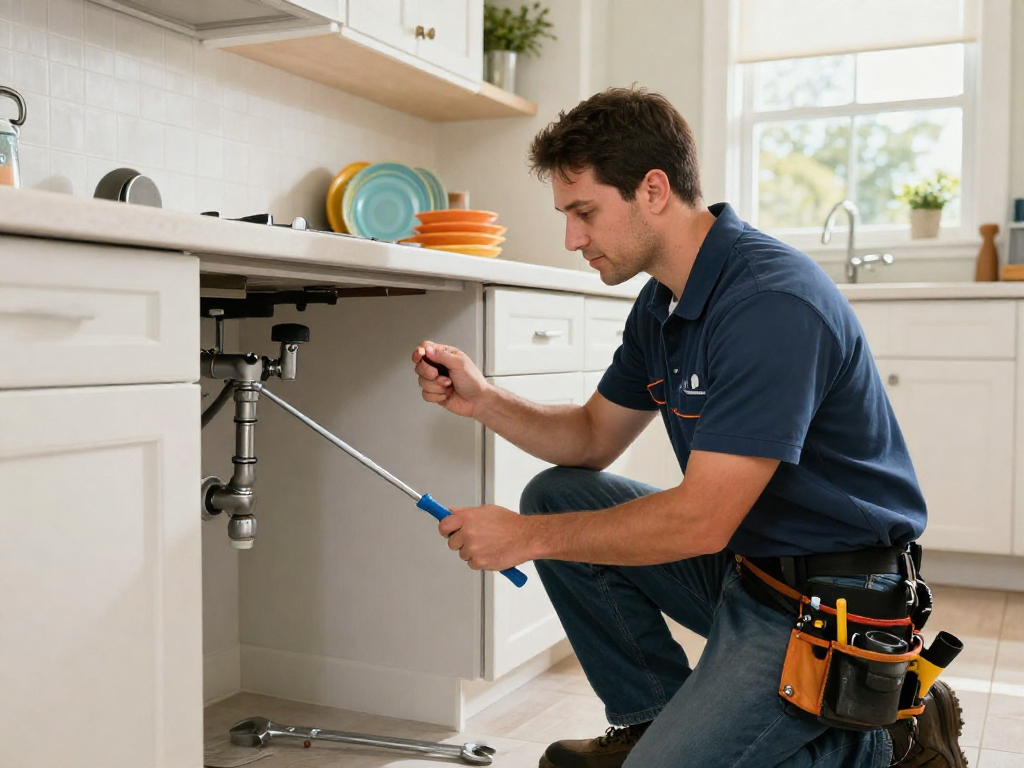
Understanding Drain Issues in Fort Worth
Fort Worth residents often experience drain problems due to a variety of factors, from everyday wear and tear to more serious plumbing issues. Understanding the nature of these issues is crucial for maintaining home plumbing systems and preventing costly repairs. As a homeowner in Fort Worth, knowing when to seek professional help for drain cleaning Fort Worth can save you time, money, and frustration.
Common Causes of Clogs
Clogs are a common problem that can affect any home's drainage system. Understanding the typical causes can help homeowners prevent and address these issues before they escalate.
- Hair: A leading cause of bathroom drain clogs, hair can accumulate in drains over time, especially when combined with soap residue.
- Food Debris: Kitchen sinks are particularly susceptible to clogs from food scraps, grease, and oils.
- Foreign Objects: Items like toys, paper towels, and other non-disposable materials can inadvertently find their way into drains, leading to blockages.
- Tree Roots: In older homes, tree roots can infiltrate sewer lines, causing significant clogs and damage.
Signs You Need Drain Cleaning
Recognizing the signs of drain trouble is essential for homeowners in Fort Worth. If you notice any of the following indicators, it may be time to schedule a drain cleaning service:
- Slow Draining: If your sinks or tubs drain slowly, that's often the first sign of a developing clog.
- Unpleasant Odors: Foul smells emanating from drains can indicate a serious issue that needs immediate attention.
- Gurgling Sounds: Strange sounds in your plumbing can mean air trapped in pipes, typically due to a blockage.
- Frequent Backups: Regular backups are a clear indication that your drainage system needs professional help.
Understanding Different Types of Drains
Familiarity with the various types of drains in your home can aid in addressing specific issues:
- Kitchen Drains: Typically targeted for food debris and grease accumulation.
- Bathroom Drains: Prone to hair and soap scum buildup.
- Floor Drains: Found in basements or laundry rooms, these can become clogged with dirt and debris.
- Main Sewer Drains: The primary exit point for wastewater; clogs here can be more severe and require professional intervention.
Professional vs. DIY Drain Cleaning
When it comes to addressing drain problems, homeowners often weigh the options of professional services against do-it-yourself (DIY) solutions. Understanding the advantages and limitations of each approach can help you make the best decision for your specific situation.
Advantages of Hiring Experts
While DIY methods can sometimes offer quick fixes, hiring professional drain cleaning services offers several key benefits:
- Expertise: Professionals have the training and experience to accurately diagnose and address complex issues.
- Advanced Tools: Plumbers use specialized equipment, such as hydro-jetting and camera inspections, to efficiently resolve clogs.
- Long-term Solutions: Professionals can identify underlying problems and recommend preventive measures to avoid future clogs.
When to DIY Your Drain Cleaning
In some cases, homeowners may choose to handle minor clogs themselves. Simple DIY methods can be effective for:
- Minor Hair Clogs: Using a drain snake or a wet/dry vacuum may remove hair clogs.
- Simple Kitchen Clogs: Pouring hot water or a mixture of baking soda and vinegar can sometimes break down grease.
Best Tools for DIY Drain Cleaning
If you decide to tackle minor drain issues on your own, having the right tools can make all the difference:
- Plunger: Essential for clearing minor clogs in toilets and sinks.
- Drain Snake: Useful for reaching deeper clogs that simple tools can’t reach.
- Baking Soda and Vinegar: This natural cleaning method can help dissolve buildup in your pipes.
Choosing the Right Drain Cleaning Service in Fort Worth
Finding the right drain cleaning service is crucial for ensuring quality work and peace of mind. Here are important factors to consider when selecting a company in Fort Worth:
Factors to Consider When Hiring
- Experience: Look for companies with a proven track record in drain cleaning services.
- Licensing and Insurance: Ensure that the service provider is properly licensed and insured for your protection.
- Service Reviews: Check online reviews and ratings to gauge customer satisfaction and reliability.
Top Questions to Ask Your Plumber
Before hiring a drain cleaning service, it’s important to ask the right questions to ensure you’re making an informed decision:
- What techniques do you use for drain cleaning?
- Can you provide references from previous clients?
- What is your pricing structure?
Reviewing Customer Testimonials and References
Customer testimonials can provide valuable insight into the quality of service provided by drain cleaning companies. Look for:
- Consistency: Reliable companies will consistently receive positive feedback.
- Specific Experiences: Pay attention to details about the services and results experienced by past customers.
Preventive Measures for Drain Maintenance
Taking proactive measures can help maintain your drainage system and prevent costly repairs in the future. Here are some proven strategies to keep your drains flowing smoothly:
How to Avoid Future Clogs
- Use Drain Screens: Installing screens can catch hair and debris before they enter your plumbing.
- Avoid Flushing Non-Flushables: Educate your family about what can and cannot be flushed.
- Regular Cleaning: Schedule annual or bi-annual professional drain cleanings as a preventive measure.
Regular Drain Maintenance Tips
Consistent maintenance can prevent major problems down the line:
- Run Hot Water: Pouring boiling water down your drains once a month can help dissolve grease buildups.
- Use Enzyme Cleaners: These cleaners can help maintain clean pipes without harsh chemicals.
The Role of Professional Inspections
Regular inspections by plumbing professionals can help catch potential issues early. A thorough inspection can reveal:
- Pipe Corrosion: Identifying weak spots before they lead to leaks.
- Tree Root Infiltration: Detecting roots that may be blocking sewer lines.
Future Trends in Drain Cleaning Services
The plumbing industry is evolving rapidly, and staying up to date with these changes can help homeowners and businesses improve their practices. Here are some trends that are shaping the future of drain cleaning:
Emerging Technologies in Plumbing
Innovative technologies are making drain cleaning more efficient and effective:
- Camera Inspections: Using cameras to diagnose drain issues allows for targeted repairs without extensive digging.
- Hydro Jetting: This high-pressure cleaning method removes stubborn clogs and buildup more effectively than traditional methods.
Eco-Friendly Cleaning Solutions
As environmental concerns grow, many drain cleaning services are shifting towards eco-friendly methods that minimize chemical use:
- Bacterial Enzyme Cleaners: These natural solutions digest organic waste and are safe for plumbing systems.
- Biodegradable Products: Many companies are opting for products that break down safely in the environment.
The Importance of Preventive Plumbing in 2026
As we look toward 2026, the focus on preventive plumbing will likely increase as homeowners recognize the value of routine maintenance. Regular inspections and proactive measures can:
- Reduce Repair Costs: Addressing potential issues early prevents larger, costlier repairs down the road.
- Extend Lifespan of Plumbing Systems: Regular maintenance can prolong the effectiveness of your piping and drainage systems.
What Should You Consider for Future Drain Maintenance?
Planning for the future involves implementing changes that can improve drain performance:
- Invest in Quality Plumbing: Opt for high-quality materials for plumbing installations to reduce long-term problems.
- Stay Informed: Keep abreast of local plumbing regulations and best practices for maintenance.
What Impact Does Seasonal Change Have on Drains?
Seasonal changes can affect drainage systems in various ways. For example:
- Winter: Freezing temperatures can lead to pipe bursts if not properly insulated.
- Fall: Leaves can clog outdoor drains, necessitating regular cleanings to avoid backups.
How Does Drain Cleaning Contribute to Home Health?
Regular drain cleaning is not just about plumbing; it significantly impacts your overall home health. Effective drainage prevents:
- Mold Growth: Standing water and clogged drains can foster mold development, leading to health issues.
- Unpleasant Odors: Regular cleaning helps maintain a fresh environment free from foul smells.