
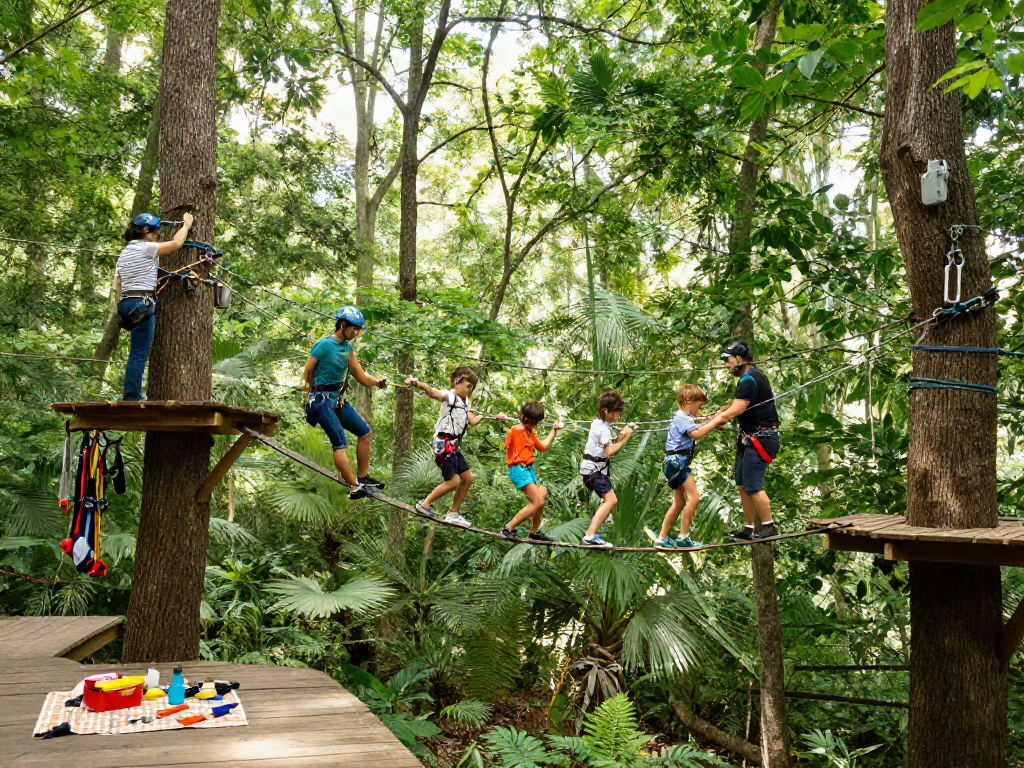
Understanding Rope Bridges: Basics and Benefits
Rope bridges have long been celebrated for their unique combination of practicality and adventure. As a suspension system that uses ropes as the primary support, these bridges serve not just as a means of crossing from one point to another, but also as an exciting feature in outdoor spaces like treehouses and adventure parks. When exploring options, Rope Bridge kits are an excellent resource that can transform your backyard into an exhilarating playground.
What is a Rope Bridge?
A rope bridge is typically defined as a bridge that makes use of ropes as its main structural elements. Often found suspended between two anchors—such as trees, cliffs, or buildings—these bridges allow for the crossing of obstructions like rivers or ravines. The basic concept revolves around a series of ropes or cables that provide support, with decking that can be made from additional materials like wood or composite boards.
The Structural Elements of a Rope Bridge
The construction of a rope bridge primarily involves several key components:
- Cables or Ropes: The most crucial aspect, usually made from high-strength materials like polyester or nylon.
- Anchor Points: Stable structures like trees or built supports where the ropes are secured.
- Decking: The surface on which pedestrians walk, often supplemented by additional support materials.
- Safety Features: These may include handrails and safety netting to enhance security during use.
Benefits of Having a Rope Bridge in Outdoor Spaces
Incorporating a rope bridge in an outdoor setting provides numerous advantages:
- Adventure and Fun: Rope bridges are thrilling and can enhance playtime for children and adults alike.
- Physical Activity: Crossing a rope bridge requires balance and coordination, promoting physical fitness.
- Creativity: They can be tailored to fit various themes or aesthetics, adding character to any space.
- Connectivity: Rope bridges can connect different areas of a garden or park, creating a cohesive recreational environment.
Types of Rope Bridges and Their Uses
Different Designs of Rope Bridges
Rope bridges come in various designs, each suited for different environments and purposes. Among the popular types are:
- Suspension Bridges: These feature cables suspended between towers or trees and are known for their stability.
- Pointed Bridges: Often seen in adventure parks, these are angled towards the centre, providing a unique crossing experience.
- Single Rope Bridges: A simpler design that uses one primary rope for support; these are often used in children's play areas.
Applications in Adventure Parks and Playgrounds
Adventure parks heavily incorporate rope bridges to enhance their attraction. They create exciting obstacles for climbers and add an extra layer of adventure to zip lines and climbing walls. Additionally, these bridges offer family-friendly activities, allowing children to explore their balance and coordination in a safe environment.
Rope Bridges in Camping and Hiking Scenarios
For camping and hiking enthusiasts, rope bridges can be critical in accessing remote areas or crossing streams and ravines. They provide a lightweight and portable solution that can be constructed quickly and efficiently, enhancing the overall experience of navigating through nature.
Building Your Own Rope Bridge: A Step-by-Step Guide
Essential Materials for DIY Rope Bridges
Creating your own rope bridge can be an enjoyable and rewarding project. Here are the essential materials you will need:
- High-Quality Rope: Look for strong, weather-resistant options such as polyester.
- Anchoring Devices: This includes bolts or tree straps for securing the ropes effectively.
- Support Decking: Wood planks or composite materials for the walking surface.
- Safety Gear: Harnesses and helmets if you plan on using the bridge for climbing activities.
Safety Considerations When Constructing a Rope Bridge
Safety is paramount when building a rope bridge. Key considerations include:
- Ensuring the anchor points are stable and secure.
- Regularly inspecting the ropes and supports for wear and tear.
- Limiting the number of people on the bridge to prevent overloading.
- Using proper safety gear when constructing or testing the bridge.
Maintenance Tips for Longevity and Durability
To ensure your rope bridge remains safe and functional, routine maintenance is essential. Key recommendations include:
- Regularly check for frays or weaknesses in the ropes.
- Clean the decking materials to prevent slipping.
- Inspect anchor points for any signs of rot or damage.
Rope Bridge Safety: Best Practices and Guidelines
Understanding Load Capacity and Stability
An essential aspect of rope bridge safety is understanding its load capacity. It’s crucial to evaluate the weight limits based on the materials used and the design of the bridge.
Safety Gear and Equipment Recommendations
Utilising safety gear is fundamental for anyone planning to use a rope bridge, particularly in high or adventurous settings. Recommendations include:
- Body harnesses to secure individuals when climbing.
- Helmets to protect against falls.
- Safety nets or mats beneath the bridge for additional protection.
Teaching Kids about Rope Bridge Safety
Educating children about the importance of safety when using rope bridges is critical. Teach them to:
- Always use handrails when available.
- Follow the ‘one at a time’ rule to avoid overloading.
- Report any unsafe conditions immediately.
Future Trends in Rope Bridges: What to Expect by 2026
Innovations in Materials and Design
As we look toward the future, advancements in materials—like the use of more durable synthetic ropes and eco-friendly decking—will likely dominate. Designs may incorporate smart technology, such as sensors to monitor structural integrity.
Eco-Friendly Practices in Rope Bridge Construction
Environmental considerations will shape the construction of rope bridges, with a focus on sustainable materials and practices. Expect to see an increase in biodegradable options and recycling initiatives within bridge projects.
The Role of Rope Bridges in Sustainable Outdoor Activities
As outdoor recreation continues to grow in popularity, rope bridges will play a vital role in creating sustainable, low-impact pathways that preserve natural habitats while offering adventure seekers the thrill of crossing their landscapes.
What is a rope bridge called?
A rope bridge is often referred to by its functional name, but variations like ‘suspension bridge’ or ‘hammock bridge’ are also common.
How do you make a rope bridge?
Creating a rope bridge involves selecting strong materials, securing stable anchor points, and constructing the decking, all while adhering to safety guidelines.
What type of rope is best for a rope bridge?
High-strength polyester ropes are recommended due to their durability, moisture resistance, and natural aesthetic, making them an ideal choice for handrails and bridges.
What are the uses of rope bridges in adventure parks?
Rope bridges in adventure parks are used to create exciting challenges and obstacles, enhancing the overall experience for visitors seeking thrills and fun.
Are rope bridges safe for children?
When constructed and maintained properly, rope bridges can be safe for children, especially when accompanied by adult supervision and appropriate safety measures.