Understanding the Automatic Bag Palletizer Machine
An automatic bag palletizer machine is a sophisticated piece of equipment designed to streamline the process of stacking bags onto pallets. This machinery plays a crucial role in the packaging industry, where efficiency and accuracy are paramount. By automating the palletizing process, businesses can enhance productivity, reduce labor costs, and minimize the risk of workplace injuries. When exploring options, automatic bag palletizer machine solutions offer a comprehensive approach to improving operations.
What is an Automatic Bag Palletizer Machine?
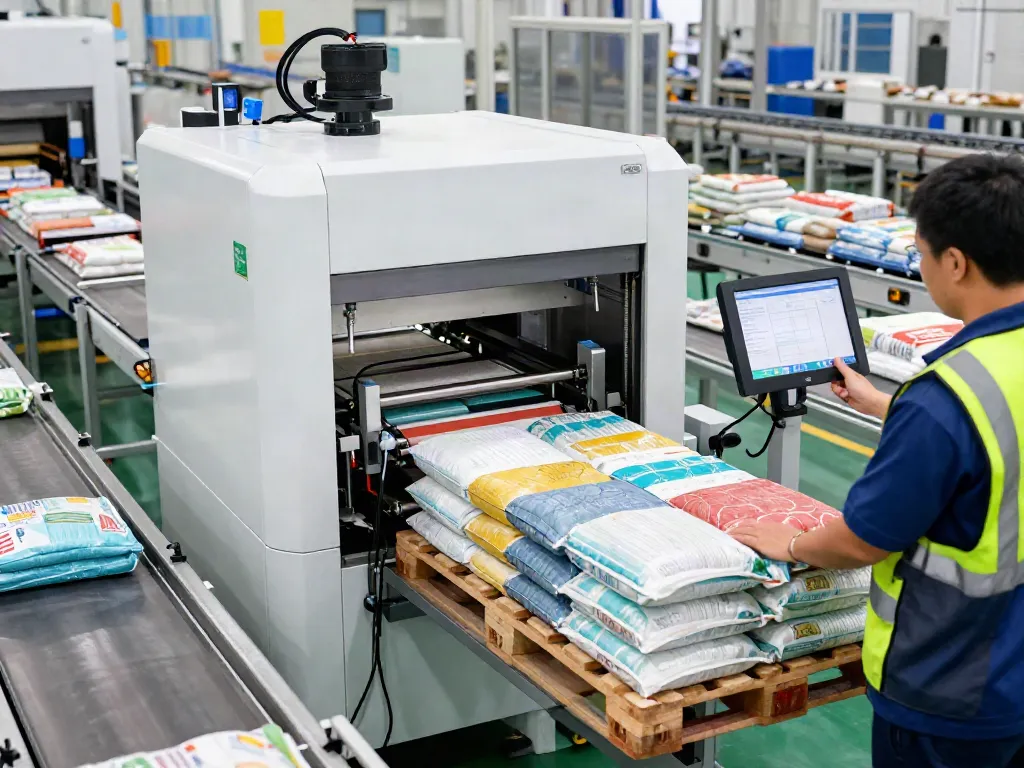
At its core, an automatic bag palletizer is a robotic or mechanical system designed to handle and stack bags onto pallets with minimal human intervention. Commonly employed in various sectors, including food and beverage, agriculture, and pharmaceuticals, these systems can handle different bag types, including open-mouth, valve, and FFS (Form-Fill-Seal) bags. The ultimate goal is to create stable, secure pallet loads ready for shipment.
How Does It Improve Packaging Operations?
Automatic bag palletizers significantly enhance packaging operations by speeding up the process of stacking bags, which is traditionally labor-intensive and time-consuming. With advanced technology, these machines can manage high-speed production lines and ensure consistent stacking patterns, reducing the risk of damage during transit. This leads to higher efficiency levels and better resource management, allowing operators to focus on other critical tasks.
Key Features of Modern Automatic Bag Palletizers
- High-Speed Operation: Capable of stacking several bags per minute, vastly improving throughput.
- Flexible Configurations: Can accommodate various bag sizes and weights, offering versatility across different products.
- User-Friendly Interface: Intuitive control panels that simplify operation and monitoring tasks.
- Enhanced Safety Features: Designed with protective measures to reduce risks and ensure a safe working environment.
- Low Maintenance Requirements: Advanced engineering reduces downtime and ensures consistent operation.
Benefits of Implementing an Automatic Bag Palletizer Machine
Increased Production Efficiency and Speed
The efficiency gained from implementing an automatic bag palletizer is one of its most significant advantages. Traditional manual palletizing can lead to inconsistencies and slower operations. An automated system can maintain a steady pace, adjusting to varying inputs without sacrificing quality. This means businesses can process more orders in a shorter amount of time, directly impacting profitability.
Cost-Effectiveness of Automated Solutions
While the initial investment in an automatic bag palletizer may be significant, the long-term savings often outweigh the costs. Automated systems reduce labor expenses by minimizing the number of operators needed for palletizing tasks. Additionally, with decreased error rates and improved packing efficiency, companies experience lower product damage rates, leading to reduced waste and improved margins.
Enhancing Workplace Safety and Ergonomics
Workplace safety is a top priority in manufacturing environments. Automatic bag palletizers significantly decrease the physical stress on employees, who would otherwise lift and stack heavy bags manually. By automating this process, companies can reduce workplace injuries and create a safer, more ergonomic working environment.
Challenges in Choosing the Right Automatic Bag Palletizer Machine
Common Misconceptions about Automation
Despite the clear benefits, some businesses hesitate to adopt automation due to misconceptions. One common myth is that automation is only suitable for large-scale operations. However, modern automatic bag palletizers are available in various sizes and configurations, making them accessible to businesses of all sizes. Understanding the full potential of these machines is essential for informed decision-making.
Evaluating Machine Compatibility with Business Needs
Before selecting an automatic bag palletizer, it’s crucial to evaluate its compatibility with specific business needs. Factors such as bag type, production speed, and existing infrastructure must be considered. Consulting with manufacturers can provide tailored solutions, ensuring the right fit for operational requirements.
Understanding Maintenance Requirements and Costs
Automatic bag palletizers require regular maintenance to ensure optimal performance and longevity. Businesses must factor in these maintenance costs when budgeting for new equipment. Understanding the service agreements and support options available from manufacturers can help prevent unexpected expenses over time.
Real-World Applications and Case Studies
Success Stories of Automated Bag Palletizing Systems
Numerous companies have successfully integrated automatic bag palletizers into their operations, resulting in remarkable efficiency improvements. For instance, a leading agricultural manufacturer implemented an automatic bag palletizer and reported a 40% increase in output while reducing labor costs by 30%. Such case studies highlight the tangible benefits of investing in automation.
Industry-Specific Uses of Bag Palletizers
Different industries leverage bag palletizers in unique ways. In the food and beverage industry, these machines ensure that products are consistently stacked and secure for shipping. In construction, strong palletizing systems can handle heavy bags of concrete or aggregate without compromising safety or efficiency. Each application showcases how flexible and adaptable bag palletizers can be.
Comparing Manual vs. Automated Solutions
When considering whether to switch from manual to automated palletizing solutions, businesses should weigh the pros and cons carefully. While manual palletizing may appear less expensive upfront, the long-term costs associated with labor, inefficiencies, and potential injuries can make automation a more cost-effective choice in the long run.
The Future of Automatic Bag Palletizer Machines
Trends Shaping the Bagging and Palletizing Industry in 2026
The future of automatic bag palletizers looks promising, driven by advancements in technology and rising demand for automation across various industries. In 2026, expect to see a growing trend towards more intelligent systems capable of integrating with other automation technologies, such as inventory management systems and IoT devices. This connectivity will enhance overall efficiency and decision-making capabilities.
Innovative Technologies to Watch Out For
Emerging technologies, such as artificial intelligence and machine learning, will likely play a significant role in the evolution of bag palletizers. These innovations can allow machines to learn from previous operations, optimizing stacking patterns and improving overall efficiency. Additionally, developments in robotics could lead to even more flexible and adaptive systems suitable for various applications.
How to Prepare Your Business for Automation
Getting ready for automation requires a strategic approach. Businesses should assess their current operations and identify areas where automation could yield the most significant benefits. Training employees to work alongside automated systems is also vital, ensuring a smoother transition and maximizing the potential improvements in efficiency.
What is the cost range for an automatic bag palletizer machine?
The cost of an automatic bag palletizer can vary widely based on factors such as the machine's specifications, capacity, and manufacturer. On average, businesses can expect to invest anywhere from $50,000 to $250,000. Evaluating the return on investment (ROI) is essential to justify this expenditure.
How do I choose the right automatic bag palletizer machine?
Choosing the right automatic bag palletizer involves assessing your specific needs, including the types of bags you handle, production speed requirements, and available floor space. Consulting with experts can lead to informed decisions that cater to your production environment.
What maintenance is required for bag palletizing equipment?
Regular maintenance for bag palletizers includes routine checks, software updates, and mechanical inspections. Businesses should develop a maintenance schedule in collaboration with their equipment manufacturer to ensure optimal performance and reduce downtime.
What industries benefit most from automatic bag palletizers?
Several industries benefit significantly from automatic bag palletizers, including food and beverage, agriculture, chemicals, and pharmaceuticals. Each sector leverages these machines to improve efficiency and reduce labor costs.
How does an automatic bag palletizer ensure safety?
Automatic bag palletizers enhance workplace safety by minimizing the need for manual handling of heavy bags, thus reducing the risk of injuries. Moreover, modern systems incorporate advanced safety features, such as emergency stop buttons and safety guards, ensuring a secure working environment.