The Evolution of Glass Cutting Machines
Since the inception of glass cutting technology, the journey has been marked by extraordinary innovations and paradigm shifts, transforming a once manual craft into a highly automated and efficient process. Over the decades, demand for precision and speed has driven the evolution of various glass cutting machines, establishing them as essential tools across multiple industries. Understanding the history and progression of these machines not only highlights the craftsmanship involved but also underscores the importance of selecting a reliable glass cutting machine supplier for your operational needs.
Historical Overview and Milestones
The history of glass cutting can be traced back to ancient civilizations where artisans manually shaped glass using rudimentary tools. The first significant breakthrough came in the late 19th century with the invention of the glass cutter, which allowed for more precise cuts and simplified the process considerably. However, it wasn’t until the 20th century that significant technological advancements were made, leading to the development of automated glass cutting machines. These machines not only improved accuracy but also enhanced production capacity, thus revolutionizing the glass processing industry.
Technological Advancements in the Industry
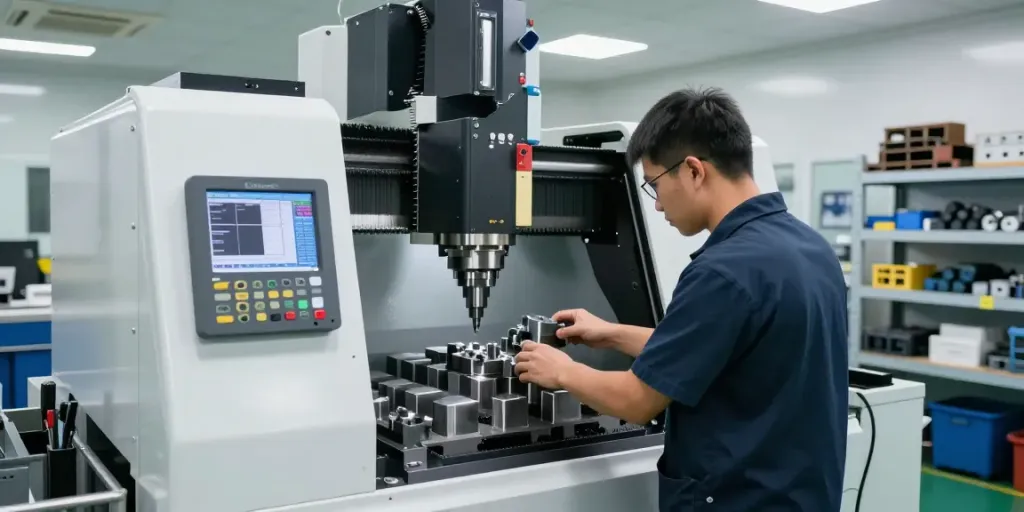
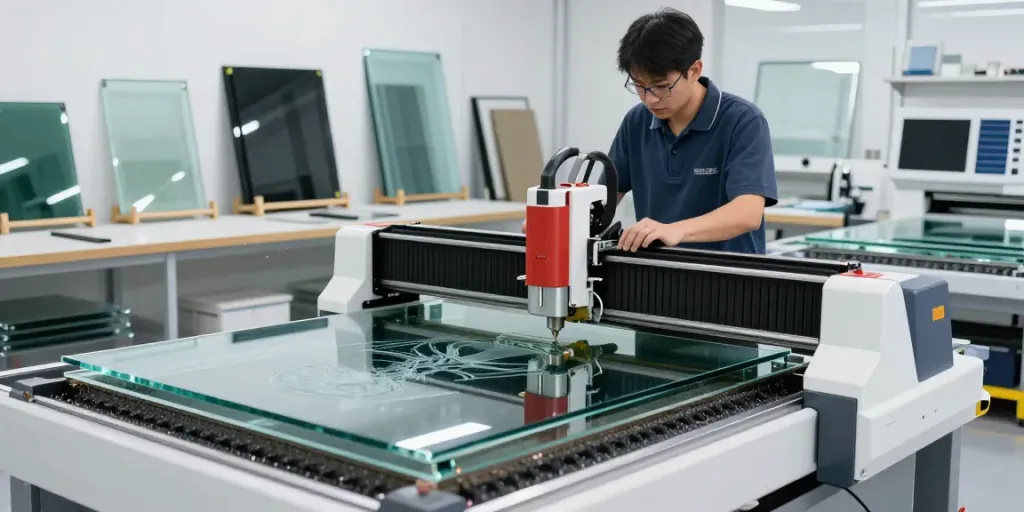
Recent technological advancements have brought about the introduction of Computer Numerical Control (CNC) machines, which allow for intricate designs and automation. CNC glass cutting machines can operate autonomously, allowing operators to focus on optimizing workflow rather than manual tasks. Advanced sensors and software integrations have also improved the cutting process by ensuring precise measurements and reducing waste, thereby increasing overall efficiency in production lines.
Current Trends Among Glass Cutting Machine Suppliers
Today, suppliers are focusing on sustainability and energy efficiency in their machines. Furthermore, the integration of artificial intelligence (AI) and machine learning is becoming prevalent, facilitating predictive maintenance and real-time monitoring. This ensures that manufacturers can maintain high productivity levels while minimizing downtime due to repairs or malfunctions. The market is also witnessing a trend towards customization, with suppliers offering machines tailored to specific needs of different industries.
Choosing the Right Glass Cutting Machine Supplier
As the market for glass cutting technology expands, choosing the right supplier becomes crucial for ensuring that your needs are met effectively. A reliable supplier not only provides machines but also offers support and services that can significantly impact your operations.
Key Features to Look for in a Supplier
- Product Range: A good supplier should offer a diverse range of machines suitable for different types of glass and customer needs.
- Customer Support: Ensure that the supplier provides comprehensive after-sales support including training, maintenance, and quick-response service.
- Innovation and Adaptability: Look for suppliers that continuously update their machines with the latest technology and trends.
- Warranty and Service Package: A solid warranty along with service packages can protect your investment and reduce operational risks.
Evaluating Supplier Credentials and Reviews
When selecting a glass cutting machine supplier, it is critical to evaluate their credentials and customer feedback. Reviews can provide insights into the reliability of the machines and the integrity of the supplier. Look for feedback about the supplier's responsiveness and ability to meet deadlines, as well as the performance of their machines in real-world applications.
Comparing Pricing and Value Propositions
While pricing is an essential factor, it should not be the only consideration when choosing a supplier. It's important to assess the value propositions offered, including the quality of machines, the technology used, and the level of customer service. Sometimes, a slightly higher investment in quality can lead to significant savings in maintenance and operational costs in the long run.
Best Practices for Operating Glass Cutting Machines
To maximize the efficiency and lifespan of glass cutting machines, operators must adhere to best practices that promote safe and efficient operations. Such practices not only enhance productivity but also ensure workplace safety.
Safety Protocols for Machine Operators
Operators must prioritize safety by undergoing comprehensive training and adhering to operational guidelines. This includes wearing appropriate protective gear, understanding emergency shutdown procedures, and maintaining a clean working environment. Regular safety drills can also prepare staff for unforeseen circumstances.
Optimizing Workflow and Efficiency
- Process Automation: Utilize software that enables process automation to reduce manual intervention and improve accuracy.
- Efficient Layout: Design an efficient workflow layout to minimize movement and streamline the cutting process.
- Regular Performance Reviews: Conduct regular performance assessments to identify bottlenecks and areas for improvement.
Maintenance Tips for Longevity of Machines
Regular maintenance is essential for the longevity of glass cutting machines. Establishing a maintenance schedule that includes regular checks, lubrication of moving parts, and prompt attention to any unusual signs can prevent major breakdowns. Additionally, keeping the machines clean will reduce wear and tear.
Real-World Applications of Glass Cutting Technology
Glass cutting machines have applications across various industries, showcasing their versatility and importance in modern manufacturing.
Industries Benefiting from Advanced Glass Cutting
Industries such as architecture, automotive, and electronics significantly benefit from advanced glass cutting technology. For instance, in the architecture sector, precise glass cuts are required for windows, facades, and interior designs, while in automotive manufacturing, glass cutting is essential for producing windshields and windows.
Case Studies of Successful Implementations
One notable case involved a leading automotive manufacturer that integrated CNC glass cutting machines into its production line. The result was a 30% increase in production speed and a significant reduction in waste material, showcasing the potential impact of modern glass cutting technology.
Future Opportunities for Glass Cutting Innovations
The future of glass cutting technology holds promising opportunities with the advent of smart manufacturing. Innovations such as IoT-enabled machines can provide real-time data on cutting processes, facilitating predictive analytics that can optimize production. Moreover, as sustainability becomes a vital aspect of manufacturing, developments in eco-friendly glass cutting techniques are likely to gain traction.
FAQs on Glass Cutting Machines and Suppliers
What should I consider when selecting a glass cutting machine supplier?
Consider factors such as the supplier's reputation, range of products, customer support, warranty, and reviews from other customers to make an informed decision.
How do I ensure the quality of the glass cutting machines?
Review certifications, customer testimonials, and conduct in-person evaluations or demonstrations to ensure the machines meet your quality standards.
What are the latest trends in glass cutting technology?
Current trends include the integration of AI and machine learning, an emphasis on sustainability, and the rise of automated cutting systems for enhanced efficiency.
Are there specific certifications needed for glass cutting machine suppliers?
Yes, certifications such as ISO 9001 for quality management can indicate a supplier's commitment to maintaining high standards of production and service.
What support and services should I expect from a supplier?
Expect a range of support services, including installation, training, troubleshooting, and maintenance packages that ensure your machines operate at peak efficiency.