Understanding CNC Machining Basics
CNC (Computer Numerical Control) machining is a revolutionary process that has transformed the manufacturing landscape since its inception. This technology uses pre-programmed software to control the movement of machinery and tools, allowing for highly precise machining of various materials. The significance of CNC machining cannot be overstated, as it encompasses a broad spectrum of applications—from aerospace components to intricate medical devices. As a cnc machining parts manufacturer, understanding these fundamentals is essential for anyone looking to harness the power of CNC technology.
What is CNC Machining?
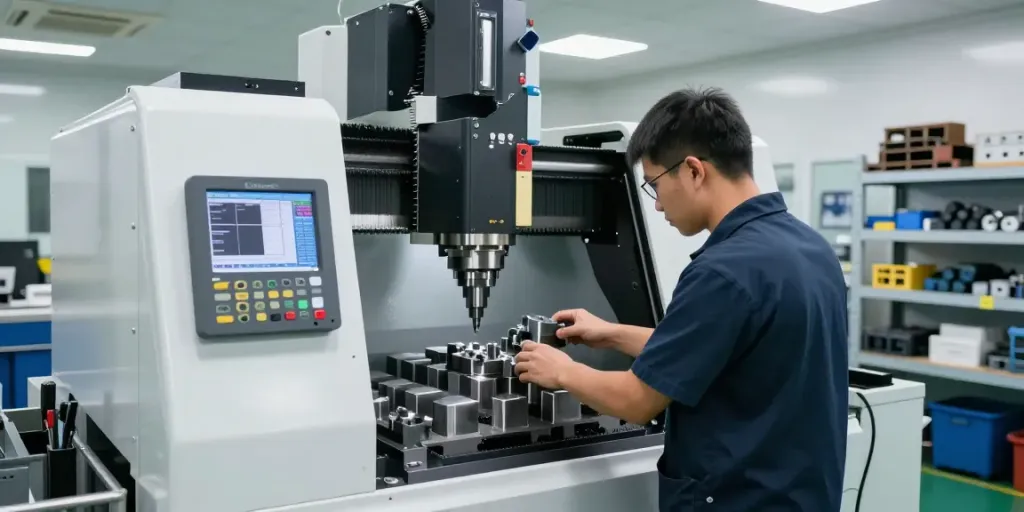
CNC machining refers to the automated control of machining tools via a computer. This technology harmonizes software and hardware to create complex and precise parts from raw materials. The process involves the precise movement of a tool or a workpiece along multiple axes, allowing manufacturers to produce parts with exceptional accuracy and repeatability. CNC machining can be broadly categorized into different operations, such as milling, turning, and grinding, making it versatile for various applications.
Key Components of CNC Machines
The effectiveness of a CNC machine hinges on its components, which typically include:
- Controller: Acts as the brain of the machine, where the program is uploaded and executed.
- Drive Motors: Provide the necessary power to move the machine parts.
- Cutting Tools: These are the elements that carry out the actual machining of materials.
- Workpiece: The raw material that is being machined into the desired shape.
- Feedback Systems: Ensure the machine operates with high precision by providing real-time updates on position and velocity.
The Importance of Precision in CNC Machining
Precision is the cornerstone of CNC machining. Unlike traditional machining, where human error can cause discrepancies, CNC machining minimizes these risks through its automated processes. Even the slightest errors in machining can lead to significant downstream effects, affecting functionality and quality. Therefore, maintaining a high standard of precision not only ensures product integrity but also enhances customer satisfaction.
Common Challenges Faced by CNC Machining Parts Manufacturers
While CNC machining presents myriad advantages, it is not without its challenges. Recognizing these hurdles is crucial for manufacturers aiming to excel in this competitive landscape.
Identifying Production Bottlenecks
In the fast-paced world of CNC machining, production bottlenecks can severely hamper efficiency. Common causes might include lack of machine capacity, tool changeovers, or even mismanagement of resources. Identifying these issues early through regular audits can prevent costly delays and enhance throughput.
Quality Assurance: Common Pitfalls
Quality assurance is critical in CNC machining. Many manufacturers struggle with establishing an effective quality control process. Common pitfalls include insufficient inspection methods, lack of equipment calibration, and failure to train staff adequately. Implementing stringent quality checks at various stages can lead to better product quality and fewer defects.
Managing Client Expectations Effectively
Effective communication is crucial for managing client expectations. CNC machining projects often come with tight deadlines and specific requirements. Setting realistic timelines and maintaining transparency about capabilities can help in aligning customer expectations with achievable outcomes, ultimately fostering stronger client relationships.
Best Practices for CNC Machining Success
To overcome challenges and enhance operational efficiency, manufacturers must adopt best practices that align with industry standards.
Implementing Lean Manufacturing Techniques
Lean manufacturing focuses on minimizing waste while maximizing productivity. In CNC machining, this could involve streamlining workflows, reducing tool change times, and optimizing machine utilization. Moreover, employing just-in-time production can ensure materials are utilized efficiently, thus reducing inventory costs.
Continuous Training and Skill Development
The rapid evolution of CNC technology necessitates ongoing training for personnel. Regular workshops and training sessions not only bolster technical skills but also keep employees updated on the latest machining techniques and technologies, fostering a culture of continuous improvement.
Utilizing Advanced Software for Efficiency
Modern CNC machining heavily relies on software for simulations, tool path creation, and production monitoring. By leveraging advanced software solutions, manufacturers can reduce programming time, optimize machine operation, and analyze production data for continuous improvement.
Real-World Applications of CNC Machining Parts
The versatility of CNC machining allows it to cater to a wide array of industries with varying demands, demonstrating its crucial role in modern manufacturing.
Industries that Benefit from CNC Machining
CNC machining is utilized across various sectors, including:
- Aerospace: Parts that require high precision and reliability.
- Automotive: Components requiring rapid production and customization.
- Medical: Devices that mandate stringent quality and hygiene standards.
- Electronics: Small, intricate parts requiring precision.
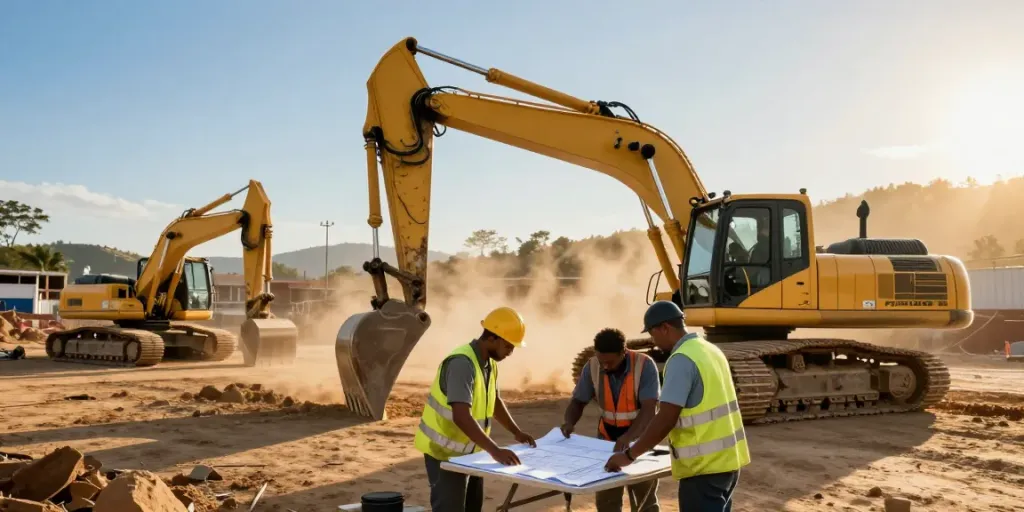
- Construction: Components that need durability and strength.
Case Studies: Successful Projects and Outcomes
One notable example comes from a leading aerospace manufacturer that streamlined its production process by adopting CNC machining. By implementing advanced CNC lathes, they enhanced precision and reduced production time by over 30%. This shift not only improved profitability but also positioned them as a reliable supplier in the aerospace sector.
Innovations in CNC Machining Technology
Emerging technologies, such as artificial intelligence (AI) and machine learning, are beginning to reshape CNC machining. These innovations enable predictive maintenance, optimize tool paths, and improve overall manufacturing efficiency. As the industry progresses, those who adapt to these technologies will likely gain a competitive edge.
Future Trends in CNC Machining for 2026 and Beyond
The future of CNC machining is promising, with several trends likely to shape its trajectory over the next few years.
Emerging Technologies Transforming CNC Machining
Technological advancements like additive manufacturing and hybrid machining are set to revolutionize CNC practices. Additive manufacturing could enable manufacturers to combine traditional machining with 3D printing, expanding design possibilities and reducing waste.
Environmental Considerations and Sustainability
As industries become increasingly aware of their environmental footprint, CNC machining is no exception. Sustainable practices, including recycling materials and reducing energy consumption, are gaining traction. Manufacturers who adopt these practices will not only comply with regulations but also attract environmentally conscious customers.
Predictions for Market Growth and Opportunities
According to market analysis, the global CNC machining market is projected to grow significantly, driven by the increasing demand for custom components in emerging sectors like electric vehicles and renewable energy. This growth presents ample opportunities for manufacturers willing to innovate and adapt.